Physical Presence Calculator USA: Hitting the 913-Day Mark for a Green Card and Citizenship
Your green-card anniversary is a few months out, your Form N-400 is half-filled, and there's one trip you keep re-reading on your own travel log: the seven months you spent overseas two years ago after a family emergency. Do those weeks sink your citizenship application? This physical presence calculator for the USA settles the arithmetic — and, just as importantly, flags the part most people miss. Naturalization hangs on two separate day-based rules, not one, and passing the count everyone talks about while quietly failing the other is how applications get denied at the interview stage.
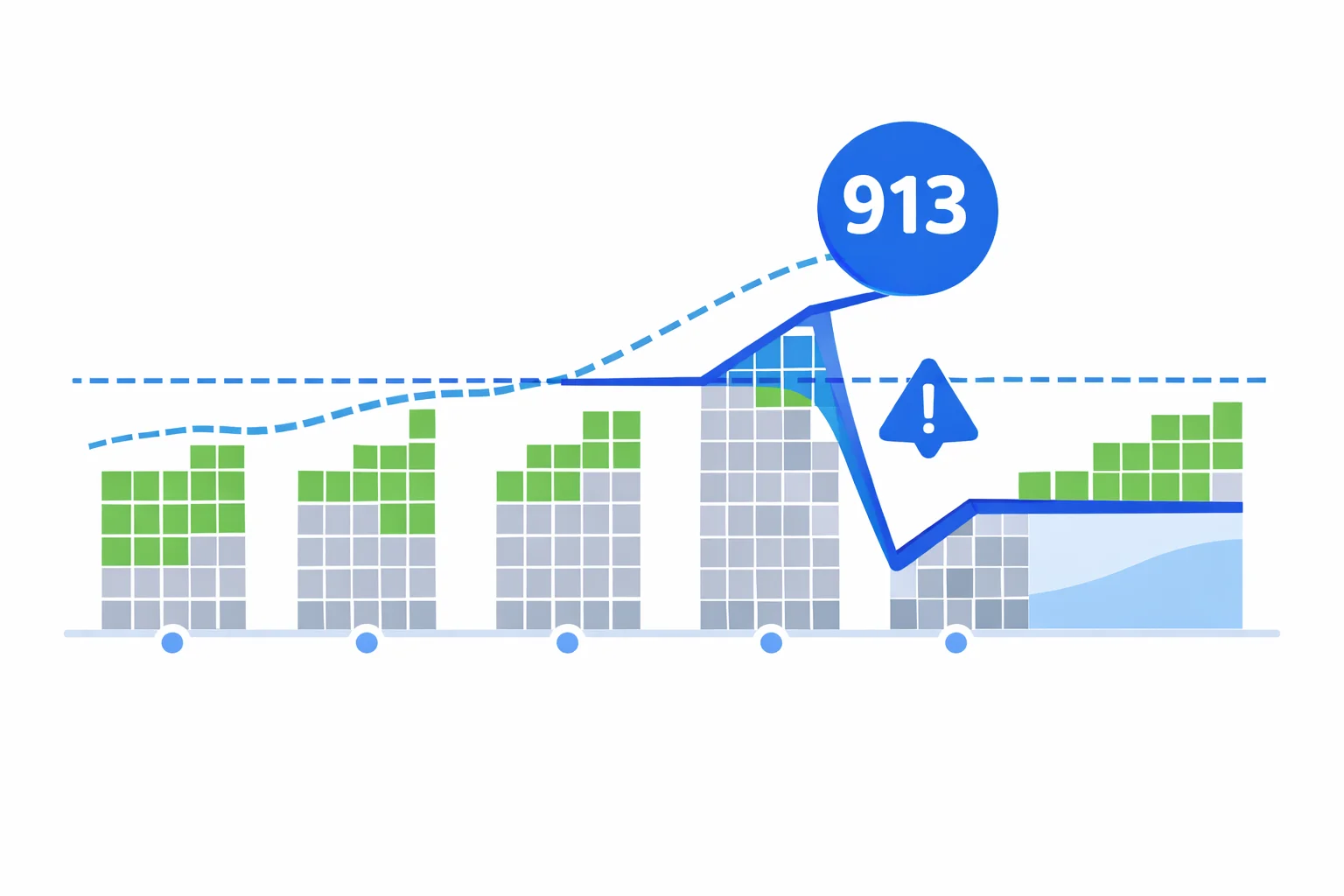
Two Requirements Hide Behind One Number
Almost every guide reduces naturalization to "913 days," and that number is real — but it's only half the eligibility test. USCIS checks physical presence and continuous residence as two independent hurdles, and they measure completely different things. Physical presence is a running tally: add up every day you stood on US soil and it has to reach 913 over five years. Continuous residence looks instead at the shape of your absences — how long any single trip lasted. You can ace one and flunk the other.
| Physical presence | Continuous residence | |
|---|---|---|
| What it measures | Total days inside the US, summed up | The length of your longest single trip abroad |
| The bar (5-year rule) | At least 913 days across 5 years | No single absence long enough to break the chain |
| What trips it | Many short trips quietly adding up | One trip over 6 months (or over a year) |
| How to fix a problem | Wait and bank more days in the US | Rebut with evidence, or restart the clock |
So the person with fifteen two-week vacations and the person with one eight-month sabbatical can have identical totals and opposite outcomes. The first sails through; the second walks in with a rebuttable presumption against them. That's the whole reason this calculator reports both a day count and a longest-trip flag instead of a single green light.
The 913-Day Rule, and the 548-Day Shortcut
The threshold is exactly half your eligibility window, which makes the math cleaner than it first looks. Standard permanent residents naturalize under the 5-year rule: 60 months, of which you must have been physically present for 30 — that's 913 days. Marry a US citizen and you may qualify under INA 319(a)'s 3-year rule, which halves everything to 18 months, or 548 days. Because the requirement is always half the window, the days you're allowed to be abroad equal the days you must be present:
| Rule | Window | Days present required | Max days abroad |
|---|---|---|---|
| 5-year (standard LPR) | 1,826 days (5 yrs) | 913 days (30 months) | 913 days |
| 3-year (spouse of citizen) | 1,096 days (3 yrs) | 548 days (18 months) | 548 days |
Read the right-hand column carefully, because it's reassuring and dangerous at the same time. Yes, you can spend nearly half of five years outside the country and still clear physical presence. But that 913-day allowance is a total— spend it all on one continuous trip and you'll shatter continuous residence long before you run out of budget.
Solving a Real Case: The Seven-Month Absence
Back to the trip from the top. Say Priya has been a permanent resident for just under five years and wants to file. Her travel history over the window: routine visits home totaling 140 days spread across eight short trips, plus one 214-day stretch (about seven months) abroad when a parent was ill. Work the numbers the way the calculator does.
- Total days abroad: 140 + 214 = 354 days
- Days physically present: 1,826 − 354 = 1,472 days
- Physical presence test: 1,472 is well past 913 — passes comfortably, 559 days to spare
- Continuous residence: the 214-day trip is over six months — rebuttable presumption of a break
On day count alone, Priya looks like a slam dunk. The seven-month absence is the problem, and it's a problem she can beat — but only by showing up prepared. USCIS will presume she abandoned her continuous residence, and she has to rebut it: proof she kept her US job (or took approved leave), kept paying a US mortgage or lease, kept her bank accounts and driver's license, filed her taxes as a resident, and left immediate family behind. Same trip, same days, wildly different outcome depending on whether she brings that evidence to the interview. Had that single absence hit 365 days, no amount of paperwork would rebut it — it would be a hard break, and she'd be rebuilding her clock.
How to Count a Day You’re Half In, Half Out
The day you board a flight out of the US and the day you land back in are fuzzy — you're physically present for part of each. USCIS generally resolves that in your favor: any day you set foot in the country counts as a day of physical presence, so both travel days usually land in the "present" column. This calculator deliberately takes the stricter path and counts the full span between departure and return as time abroad. If you leave on the 1st and return on the 10th, it books 9 days abroad, not 8 or 7. That undercount is a feature: when your total hovers near 913, a conservative estimate keeps you from filing a month too early on the strength of two travel days USCIS might count differently.
One more counting detail from the N-400 itself: you list every trip of 24 hours or more outside the US during the window. A quick border hop into Canada or Mexico that keeps you out under a day doesn't need listing, but a stack of longer weekend crossings does — and those partial days abroad still whittle down a presence total that looked safe on paper.
When One Long Trip Costs You More Than Ten Short Ones
Here's the counter-intuitive core of the whole process: two travelers with the same 200 days abroad can face completely different verdicts. Ten 20-day trips leave continuous residence untouched — no single absence even approaches the six-month line. One 200-day trip, by contrast, sails past it and drags a rebuttable presumption into your interview. The thresholds are sharp:
- Six months or less (up to ~180 days): a normal trip. It reduces your presence total but leaves continuous residence intact.
- More than six months, under a year (181–364 days): rebuttable presumption you broke continuous residence. Winnable with strong evidence your life stayed anchored in the US.
- One year or more (365+ days): an automatic break, no rebuttal available — unless you filed Form N-470 before you left. After a break you generally re-establish continuous residence over about 4 years and 1 day (2 years and 1 day under the 3-year rule).
This is why deliberate planning beats raw day-counting. If you have any say over how a long absence is structured, splitting a would-be seven-month trip into two shorter stays on either side of a US visit can be the difference between a clean file and a contested one — even though your total days abroad barely changes.
The Exceptions That Rewrite the Clock
The 913-day math on this page is the default, not the universal rule. Several situations bend or suspend it, and missing one either costs you time you didn't need to wait or lulls you into filing when you shouldn't:
- Form N-470, employment abroad: file it before leaving and certain applicants working overseas for a US employer, a recognized research institution, or a qualifying religious organization can preserve continuous residence through absences that would otherwise break it.
- Military service: qualifying service members may count time stationed abroad as physical presence, and those who served during designated periods of hostilities can naturalize under INA 329 with no specific physical presence or continuous residence requirement at all.
- Spouses of US citizens posted abroad: a narrow provision under INA 319(b) can waive the physical presence and continuous residence requirements entirely for spouses of citizens employed overseas in qualifying roles.
If any of these fit you, treat this calculator as a rough sketch rather than the verdict — the statutory carve-outs can move your eligibility date by years in either direction.
Mistakes That Delay an Oath Ceremony by Years
A handful of specific errors account for most avoidable denials and returned applications:
- Treating physical presence as the only test. Hitting 913 days feels like the finish line, so a disqualifying eight-month trip slips through unexamined until USCIS raises it.
- Forgetting the tax angle. If you filed as a nonresident for taxes during a long absence, USCIS can read that as evidence you gave up US residence — the tax and immigration records need to tell the same story.
- Misreading the 90-day early filing window. You can file N-400 up to 90 days before your continuous residence anniversary, but your physical presence still has to be met on the filing date, not 90 days later.
- Counting trips outside the window.Only absences inside the 5-year (or 3-year) window before filing matter. A long trip from six years ago is irrelevant to this application, though it might still matter for a green card you're holding.
Where This Calculator Fits Your Timeline
Run your days through this tool the moment you start thinking about filing, then again a few months out, and one last time before you submit — physical presence is a moving target that every trip changes. Keep in mind it answers the immigration question only. The IRS runs an entirely separate day-count for tax residency, and if you need that one, our IRS substantial presence test calculator weights your days across three years instead of five. For the official statutory wording, read the USCIS Policy Manual on continuous residence and physical presence and the Form N-400 instructions, and browse the rest of our specialized tracking tools when you need to count days for other purposes. When your total lands close to the line, or a long absence is in play, confirm the result with an immigration attorney before you file — the cost of filing too early is measured in months.